VINCE ALETTI’S PHOTO BOOK OF THE MONTH CLUB.
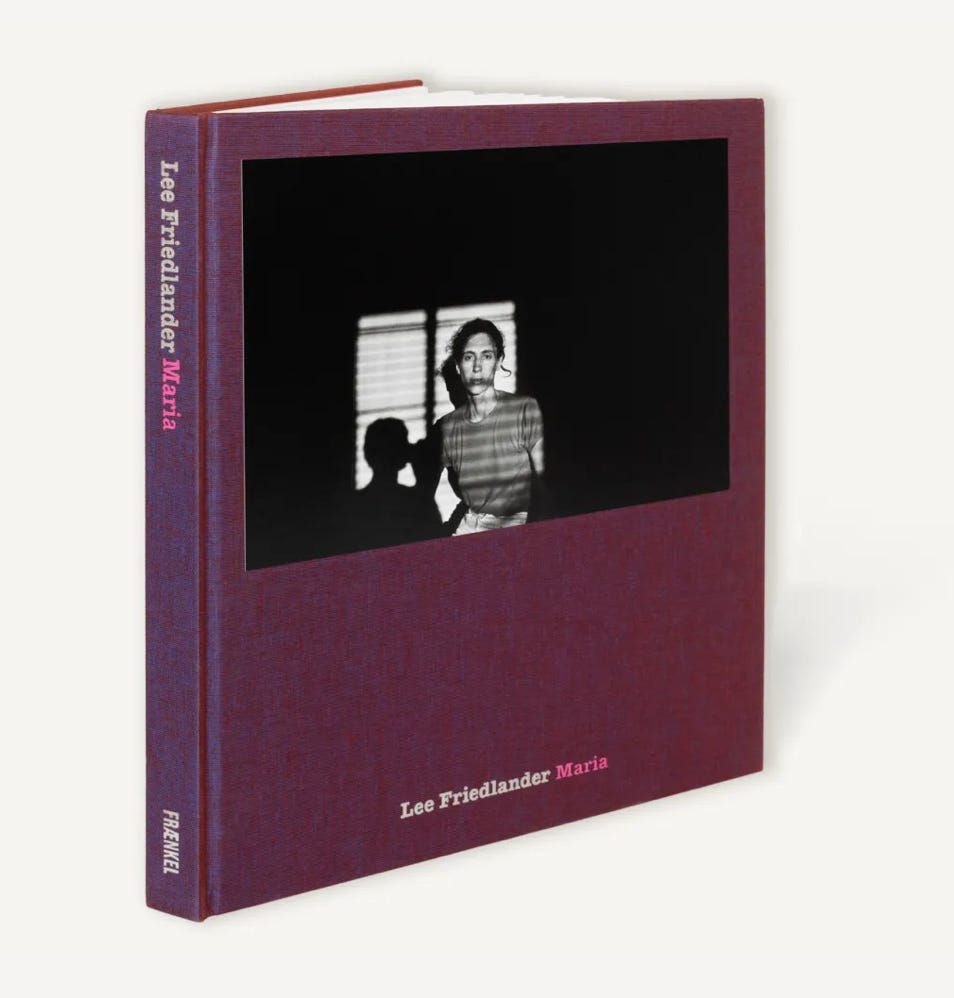
Lee Friedlander, at 92, is famous as a photographer, but just as famous as a bookmaker. He’s published so many books that even his gallerist, Jeffrey Fraenkel, has lost count, suggesting “55, give or take” will do it. His latest, Maria (Fraenkel), is devoted to his wife of nearly 70 years, not a single one of which went undocumented. A broad swath of those pictures make for Friedlander’s most personal book since his collected self-portraits. Maria learned early on that Lee “cannot not take photographs” and never asked her if he could. So while she is probably not happy to be seen reading in bed in panties and black socks or topless and on the phone, she understood that being always available was a defining part of their relationship, “And that was fine by me.”
Still, if Friedlander was relentless and intrusive, he was also clearly smitten. He may not always be in love at the moment he snaps Maria’s picture, but he’s hungry for her and when they connect, she vibrates and glows. The book is hardly a mash note. Fraenkel titles his introductory note “Scenes From a Marriage,” and like any marriage, it’s moody and unsettled, especially toward the end, when Maria is in and out of the hospital. But that’s also when Friedlander is especially attentive and all the tenderness and obsessive focus of the earlier pictures really add up.
MARIA by Lee Friedlander is published by Fraenkel Gallery, San Francisco.
PORTFOLIO OF THE WEEK: LEAH DE VUN.
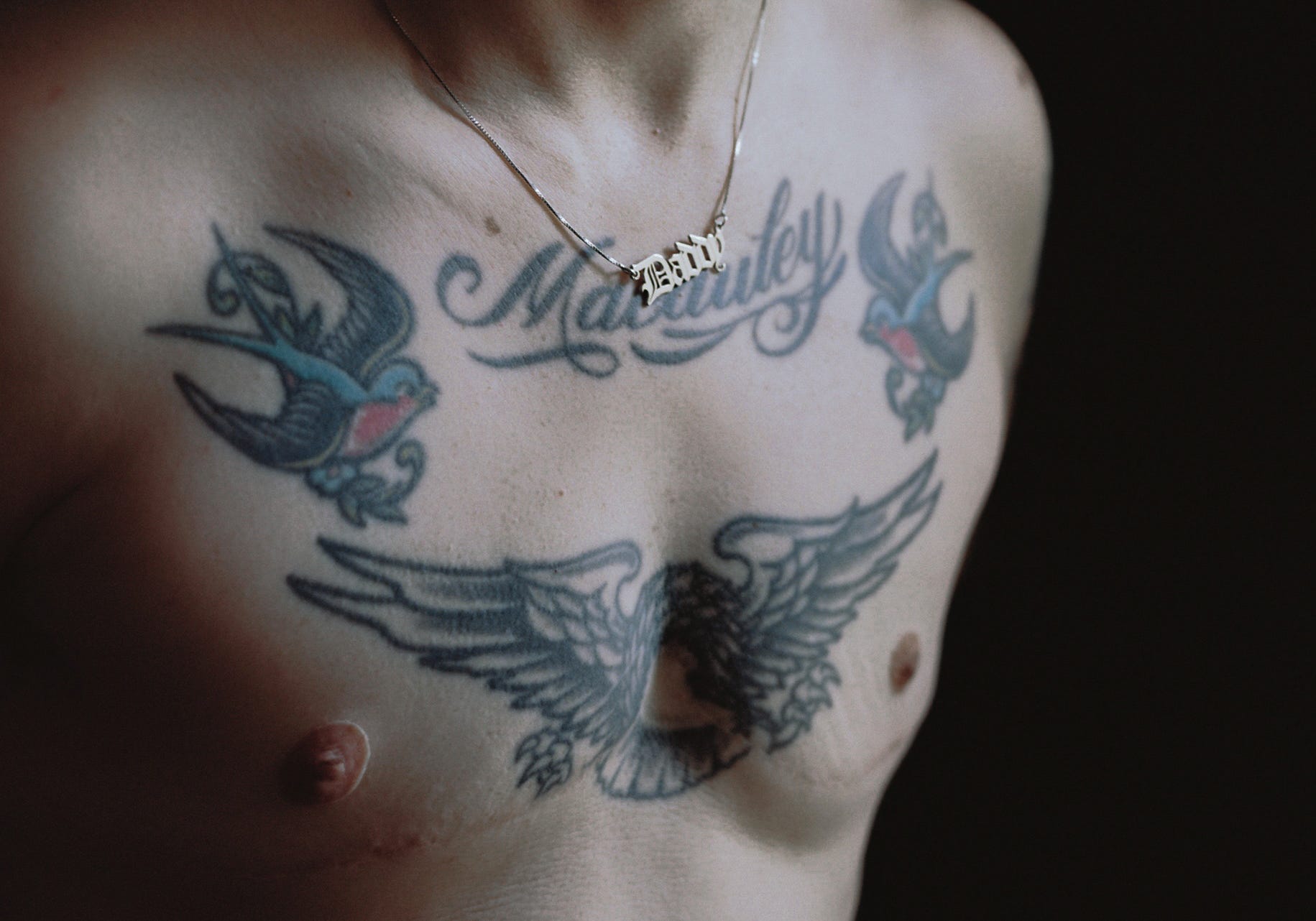
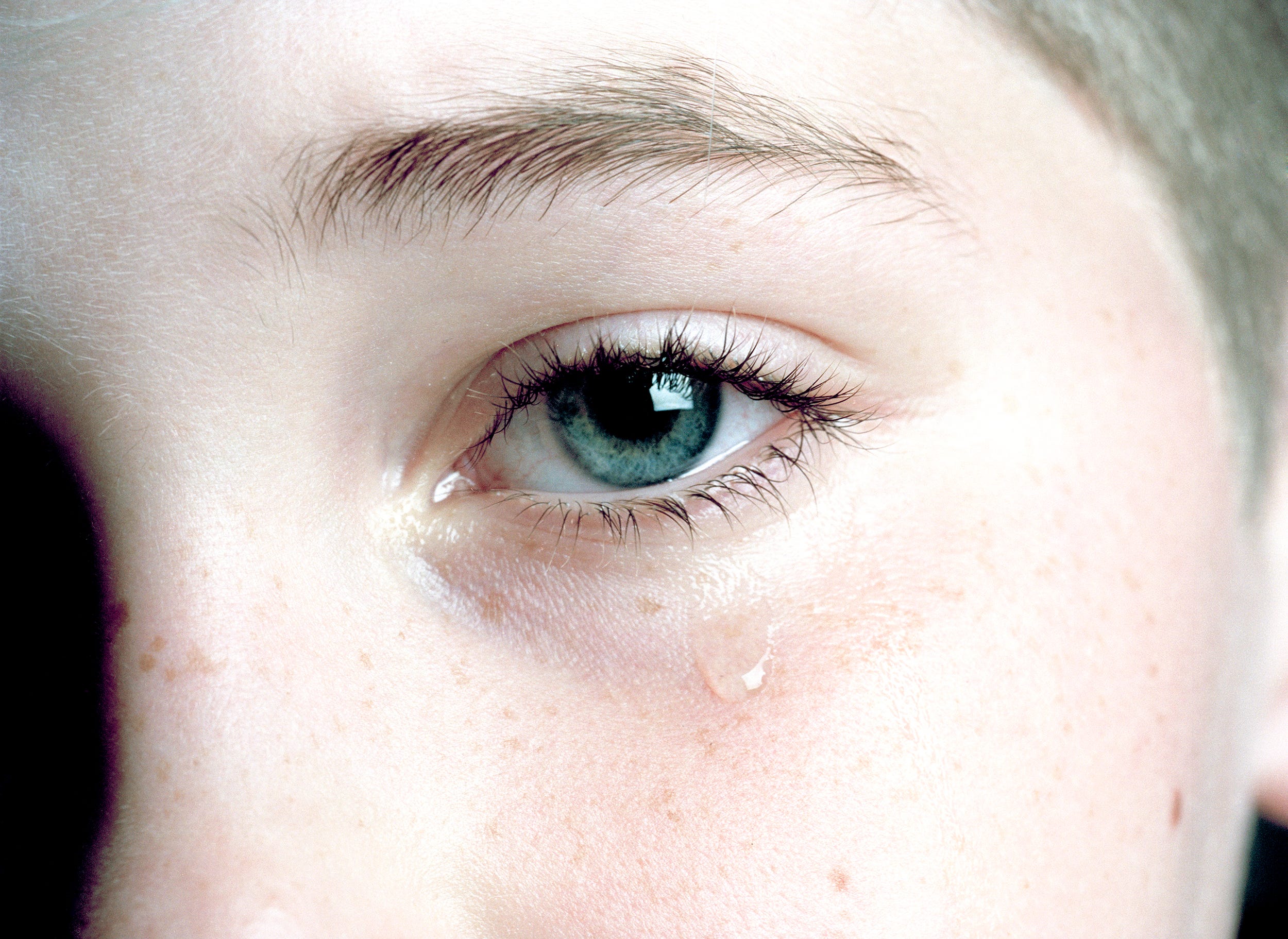
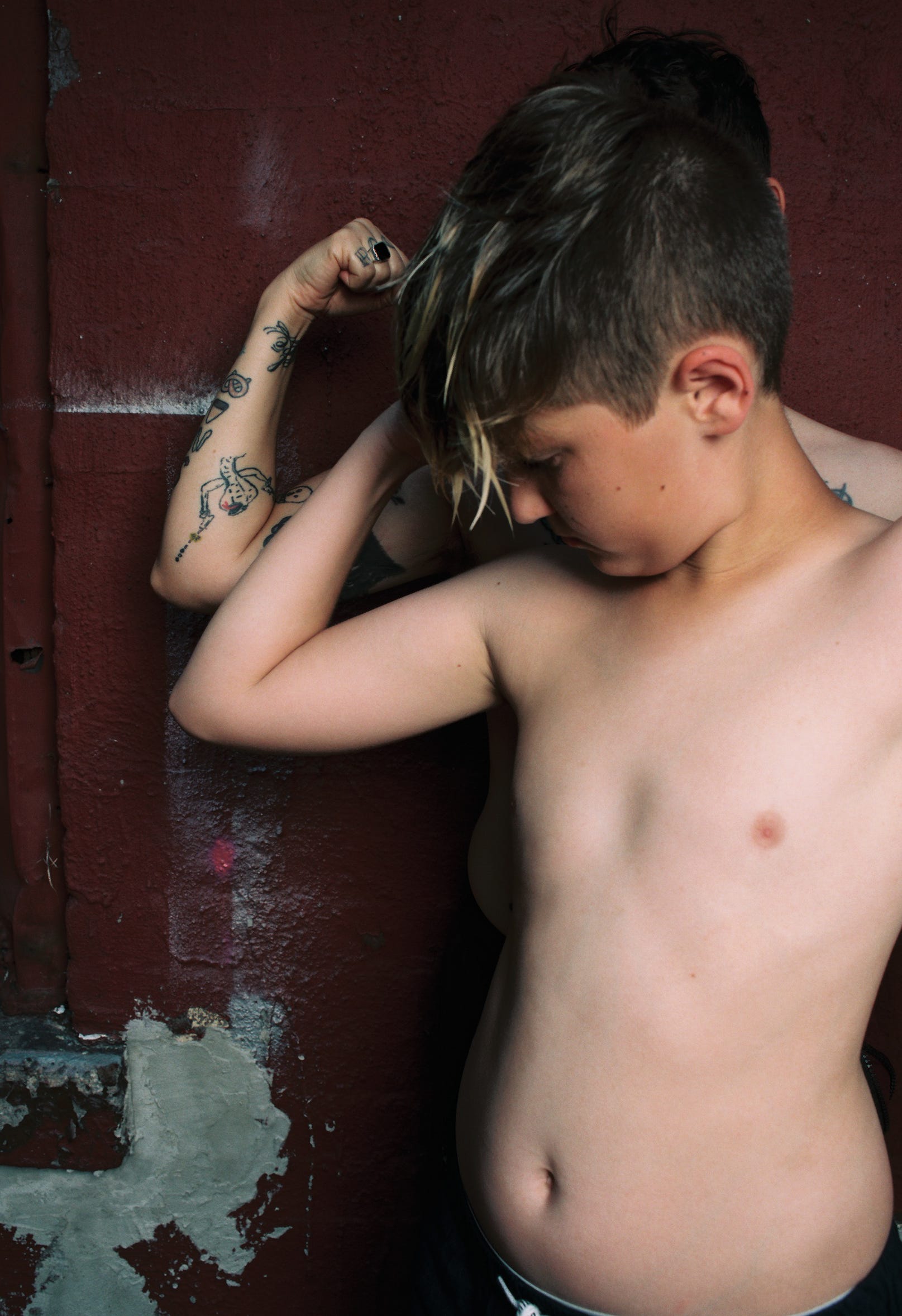
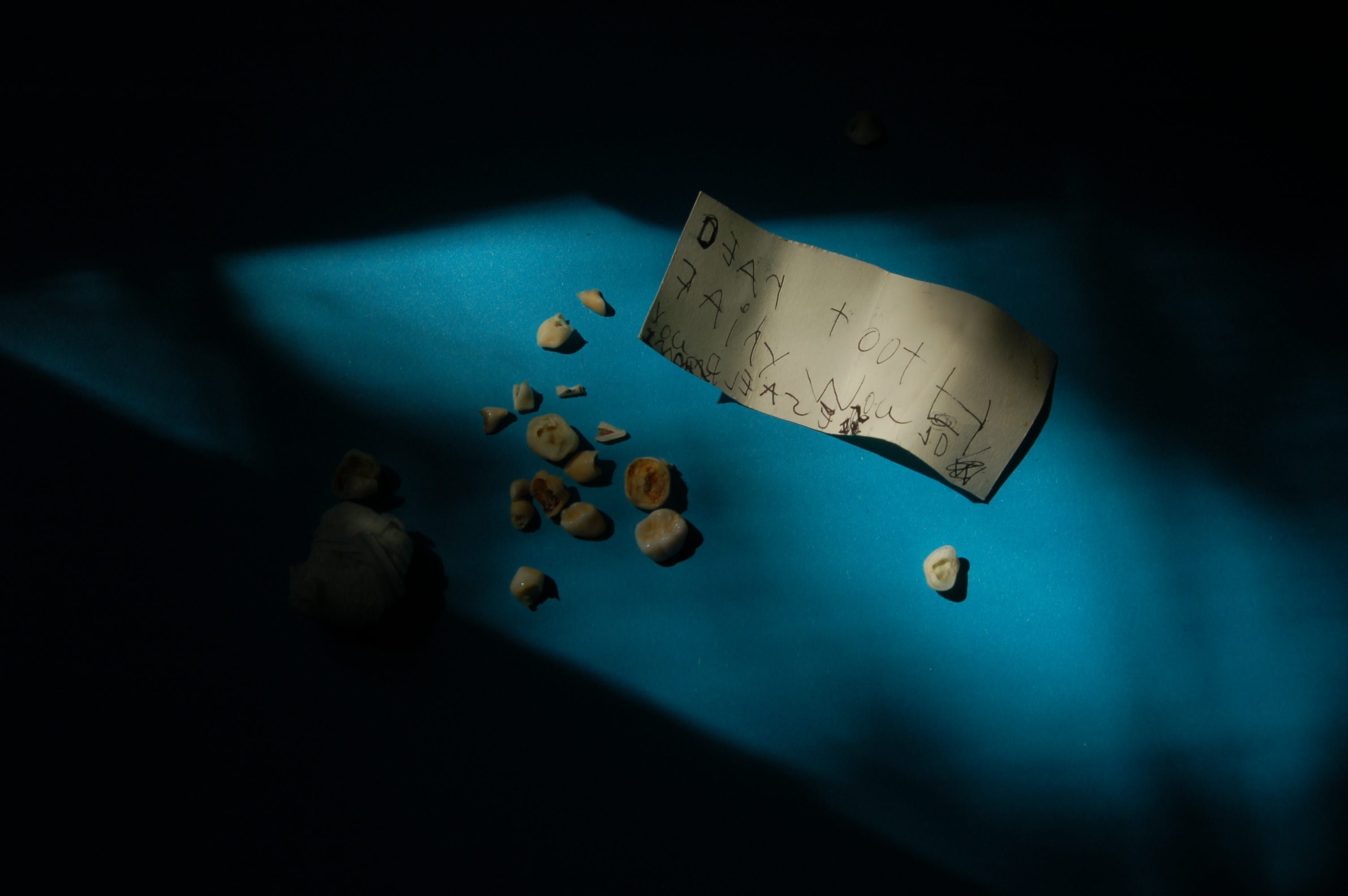
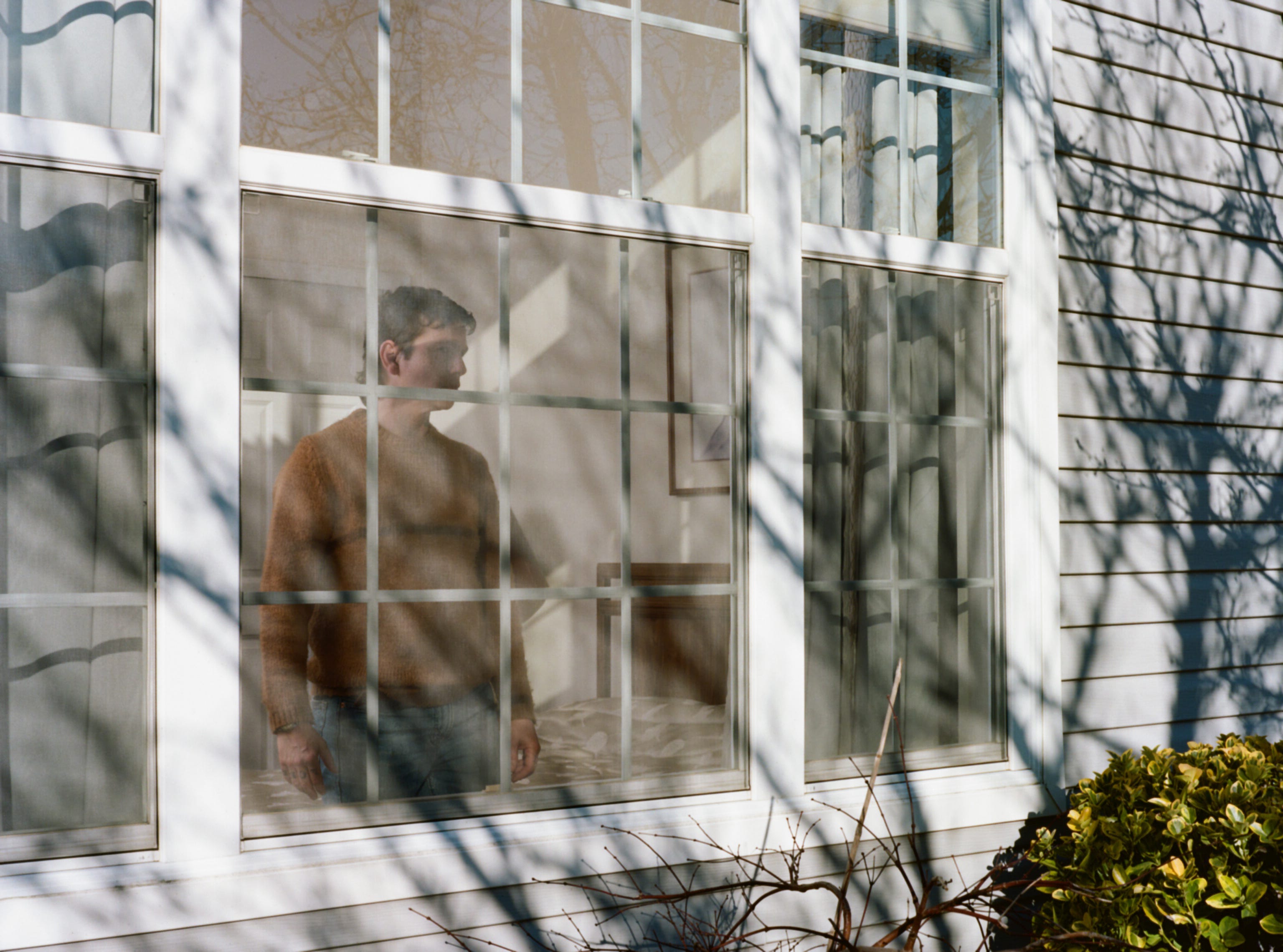
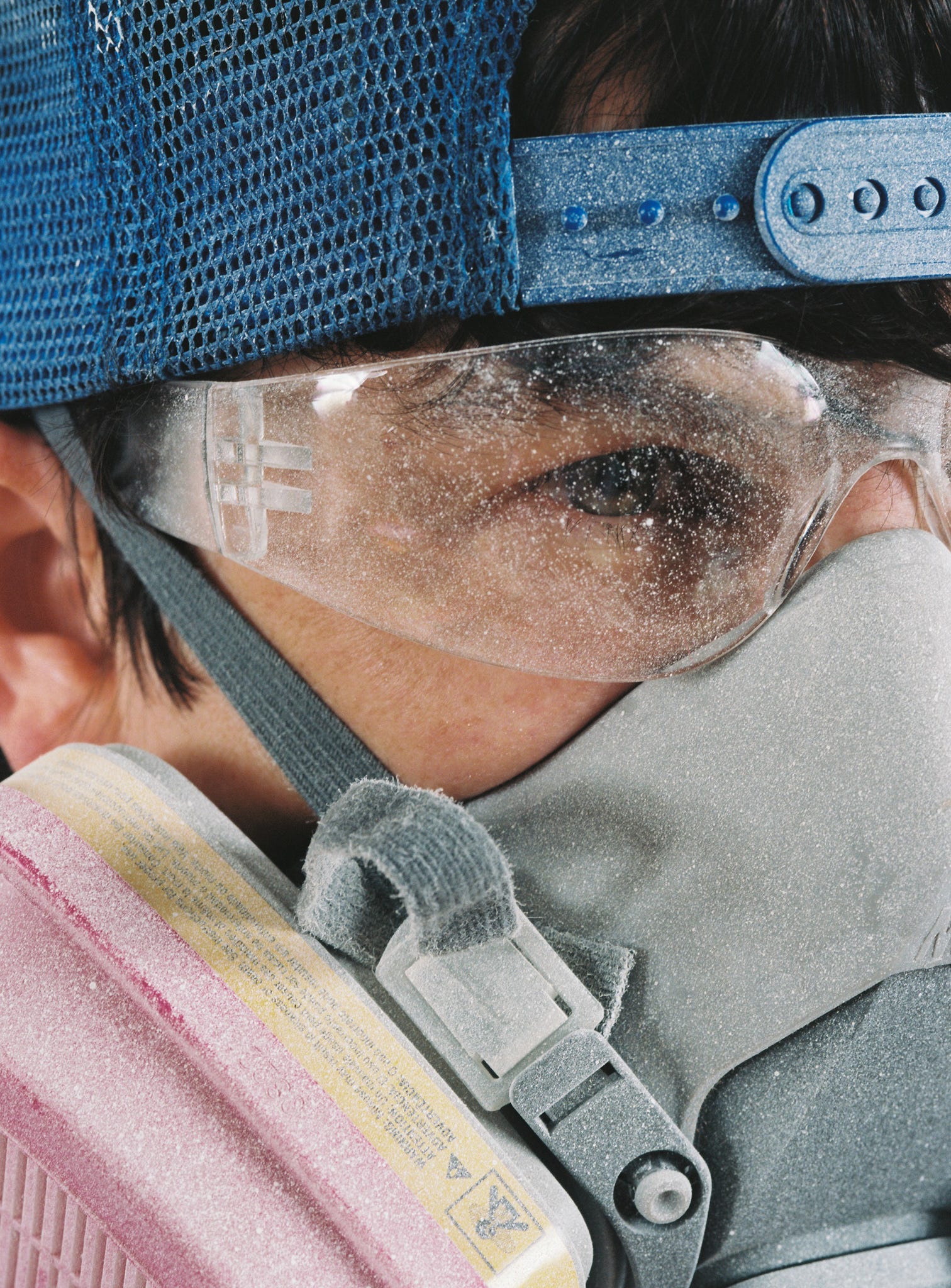
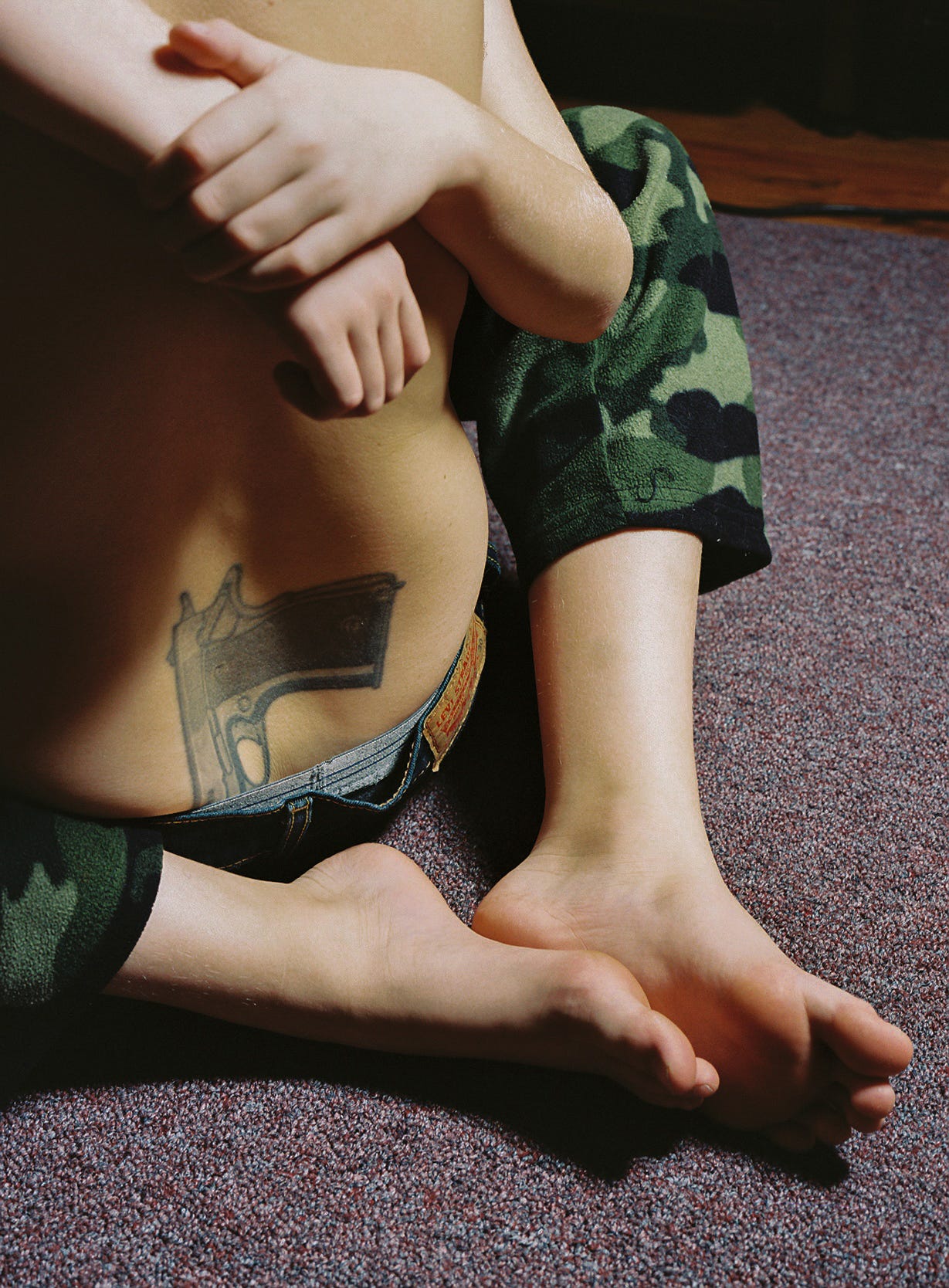
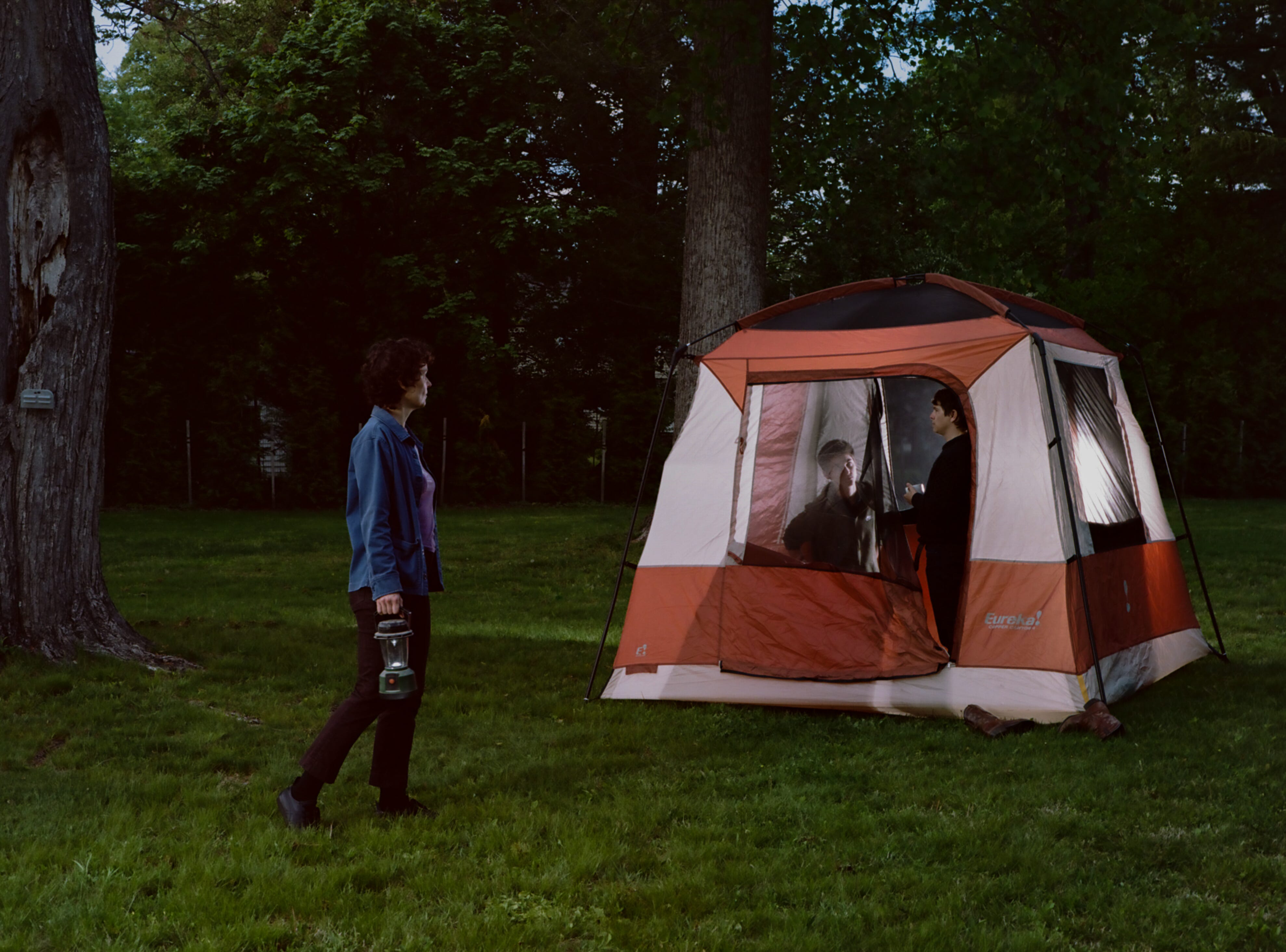
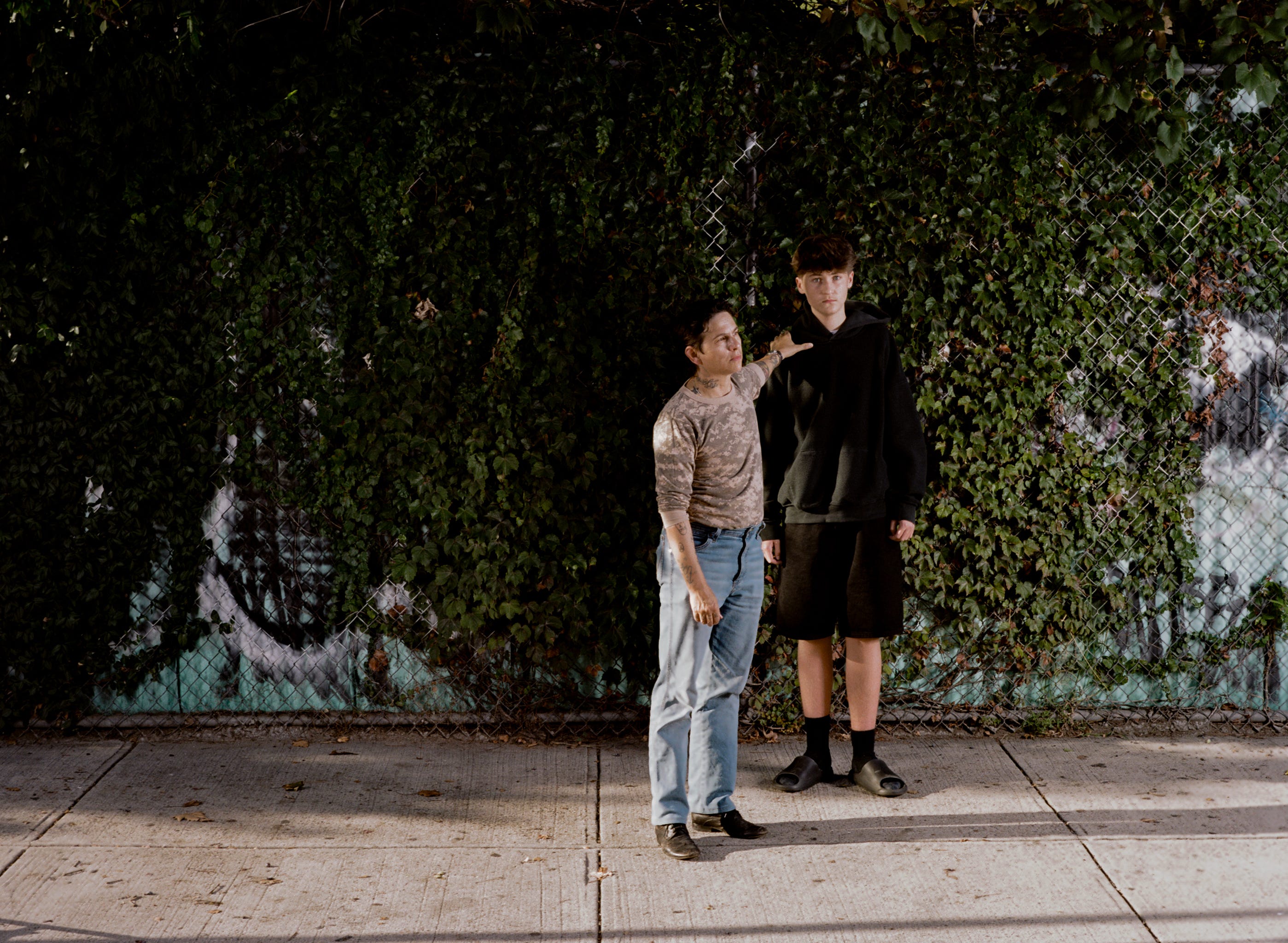
“‘Resemblance’ is an ongoing body of work documenting my queer family and especially my partner, a transgender father who is raising a son with me. The photos in trace our son’s adolescence and process of becoming a man, even as they question what is to be a man, a father, or a son. My partner, Macauley, experienced the death of his father when he was relatively young. The photographs show him as he contends with how to be a father in the absence of his own father, and in the absence of certain physical markers of manhood, ones that our son is rapidly acquiring. In comparison to our visual record of mothers caring for their children, we see relatively few images of fathers with their sons. ‘Resemblance’ pictures transitions -- into adulthood, selfhood, and across genders -- asking viewers to think about masculinity, imitation, and heredity, as well as what makes a family.
While some important images of gay and lesbian families exist, transgender families with young children are enormously underrepresented in photography. Right now, legislation in the U.S. is attacking trans people and invoking the old stereotype that queer and trans adults can’t be trusted around children. Should queer/trans people find ways to be visually legible to the straight/cis majority, and, if so, how? Not through appeals to respectability or normalcy, or we risk erasing ourselves and our difference. And yet, if we totally refuse to make and share images, and if we don’t represent ourselves as adult queer/trans people, how can younger people see images that look like them and, through those images, imagine a life ahead? Violence and discrimination are real, and trans people do suffer disproportionately, but trans life has dimensions besides danger and trauma. We can also picture safety and care, daydreaming and play. Images of our home lives and our families are important, aesthetically and politically, and they offer possibilities for viewers to find what resembles them in the world.”
Leah DeVun is a scholar and a professor at Rutgers University, where she teaches in the departments of History and Women's Gender, and Sexuality Studies. Her photography has been featured in Artforum, The New York Times, and Hyperallergic among many other platforms.
THE LIST. (OF THOSE YOU SHOULD KNOW)
THIS WEEK’S RECKONING OF THOSE WHO ARE ON OUR MIND: A GATHERING OF THE INFLUENTIAL, THE CLEVER, THE SILENT, THE TRULY ORIGINAL, THE TENACIOUS.
INTERVIEW WITH CHARLIE ENGMAN SEPTEMBER 2026.

STEPHEN: So, let’s begin with the figure; there is a thread in the work of the body exceeding its usual limitations, dissolving and perhaps adhering to other surfaces. And this is a horror trope, but in your work it does not seem unpleasant, although unexpected. Is this accurate?
CHARLIE: Yes, I’m interested in how the body defines our context and our sphere of possibility, and how it generates its own forms of expression. The body is the thing we feel we should have the most control over, even though we all know, viscerally, that this control is an illusion. A great deal of culture and social structure emerges from that tension. Augmented bodies often register as horror, because any incursion into the body’s boundaries touches on a shared fear of losing control, which can feel like a loss of self. But this vulnerability is fundamental, and not inherently unpleasant. It can be destabilizing, but it can also be sweet, tender. The body is both precious and common, desirable and abject. It’s important to me to depict it with that same ambiguity, without resolving it into something singular or fixed.
Well, that covers a lot! And in your recent book, “Cursed” (MACK), the liquid that has often appeared in your work seems to become baptismal, tempting one to consider the work on what we like to refer to as ‘spiritual’. Or a rather delicate ontological marinade.
It’s fun to play with allegory, which is sort of what AI was built to do. AI and photography both turn everything into a generalizable symbol, an arbitrary data point in a greater pattern of meaning. They traffic in puns and clichés. Like: water is life.
A cliché is a callus culture builds around basic truths that we rub up against too often. Something about the sweaty conviction with which AI regurgitates this generic imagery can puncture the cliché and release the vital juices inside (more “ontological marinade” for you).
Really, I just liked the way AI renders liquid. The light and texture are irresistible. But we live in such a symbolically overdetermined system that adjacent meanings immediately started leaking in: baptism, birth, sweat, cum, blood, tears. And allegory generally goes one of two ways: cliché or religion. I was aiming for the awkward middle.
Yes. The awkward is a resonant emotional place. Meantime, your engagement with AI is notable in this moment of panic and hostility in the visual arts to generative technology. Its spooky idiosyncrasies are your vocabulary.
Yes - I find the idiosyncratic shortcomings and mechanical “imagination” of generative AI completely confounding. It demonstrates a kind of “first day on Earth” quality: the entangled wisdom and naivety of an infant, both insane and inspired. As I’ve suggested, I’m often trying to make art from this knowing-unknowing knife’s edge, so incorporating AI into my workflow felt natural.
I do understand the panic and hostility surrounding it; the AI conversation has ballooned to encompass every corner of our individual and collective lives. But I find the all-or-nothing attitude that often dominates the conversation to be very fear-based. There are real and present dangers, and we should do everything in our power to anticipate, resist, and correct them. Denial, avoidance, and ostracism do not usually result in a more caring or just outcome. I’m trying to approach the whole thing with cautious curiosity and humility. I am wary of claims to correctness that presume to know what art and creativity are or how they work. In my own personal experience, generative AI seems to offer as much opportunity as threat. For the time being, I’m enjoying discovering those opportunities.
You wrote quite recently about aesthetic taste in this age and its sorting logic (and have provided this memorable quote ‘Good taste has always composited its own waste’). Does your work challenge those hierarchies of taste, as much significant cultural production has always done? Is this part of your agenda?
I’m more interested in working with taste rather than inside of taste. When you are inside a hierarchy, you are bound by its rules—certain behaviors and ways of being are rejected or excluded, which feels against creativity to me. Limitations and boundaries can be useful, of course, and I have said elsewhere that I believe hierarchy has an important function. But hierarchy becomes problematic when it becomes context independent. Every power structure must be subject to play and change lest it devolve into arbitrary subjugation. There are many different regimes of taste, and they are all interesting in their own ways—I like to think of each one as its own medium that I can use, and I have the most fun when I mix and match or cross-pollinate them. It’s less challenge than collaboration—I have respect for taste, but I do not think it is immutable or inviolable.
Speaking of taste, could you define what are the characteristics a picture of yours has to maintain your interest? Of all possibilities, what qualities does a picture have to ‘succeed’, or to enter the world?
Context is very important in framing success. I believe deeply that all pictures are “good” pictures waiting for the right set of circumstances. For me, a picture succeeds when it manages to maintain coherence within a given context without being entirely subsumed by that context; it should problematize or activate the context, make it sing, make it itch, and by doing so create its own subsequent context for itself, like a turtle’s shell. Memes are a beautiful example of this process.
But I also believe in formal beauty. Beauty is in the eye of the beholder, of course, but no eye is an island. We’re all responding to what we believe other people find beautiful, and pictures that demonstrate a tacit sensitivity to this network of beauty, without being subservient to it, seem particularly capable of moving between contexts without losing themselves.
Let’s leave then, with the idea of beauty--not something that is immediately associated with your work, perhaps, but a good place to rest. Thank you Charlie.
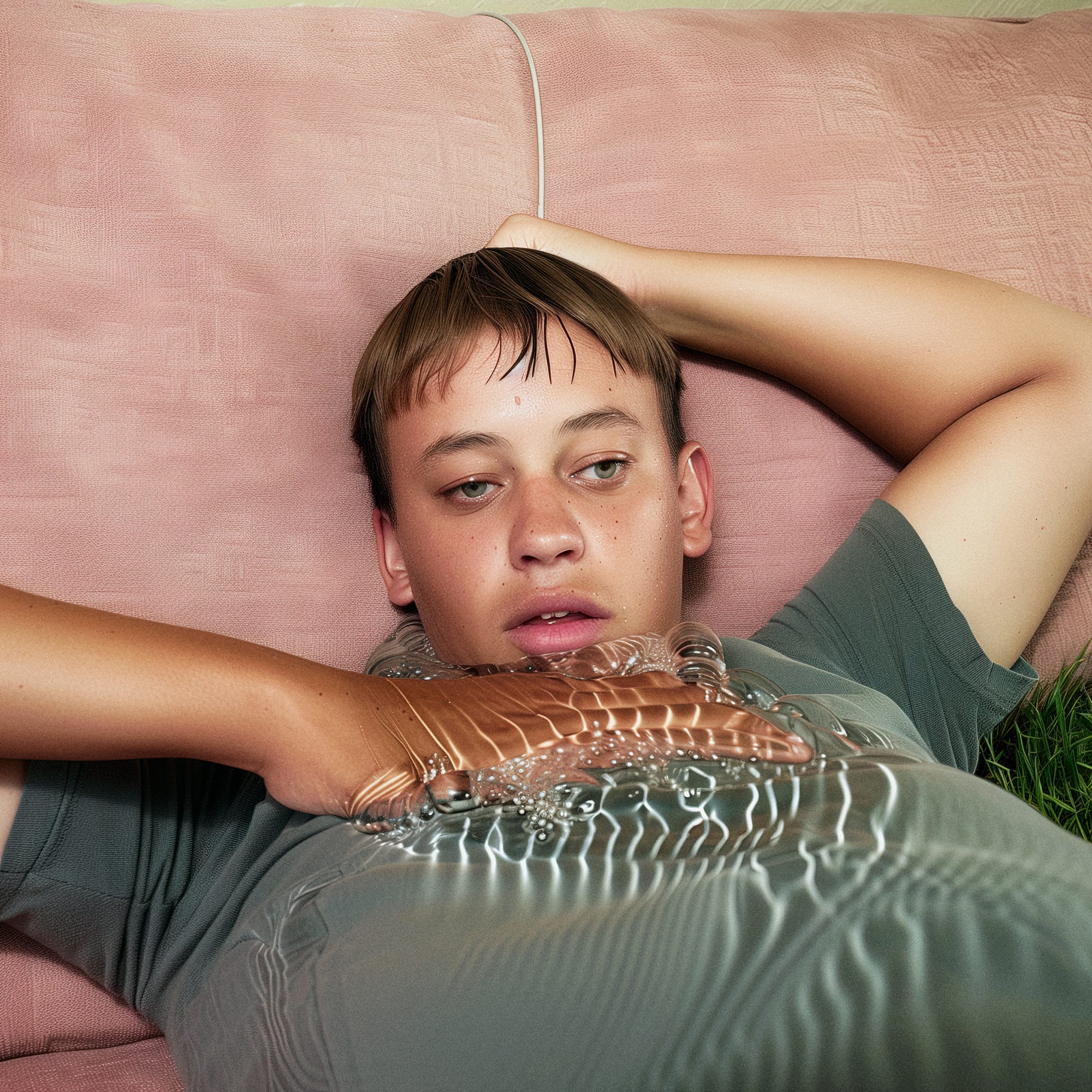
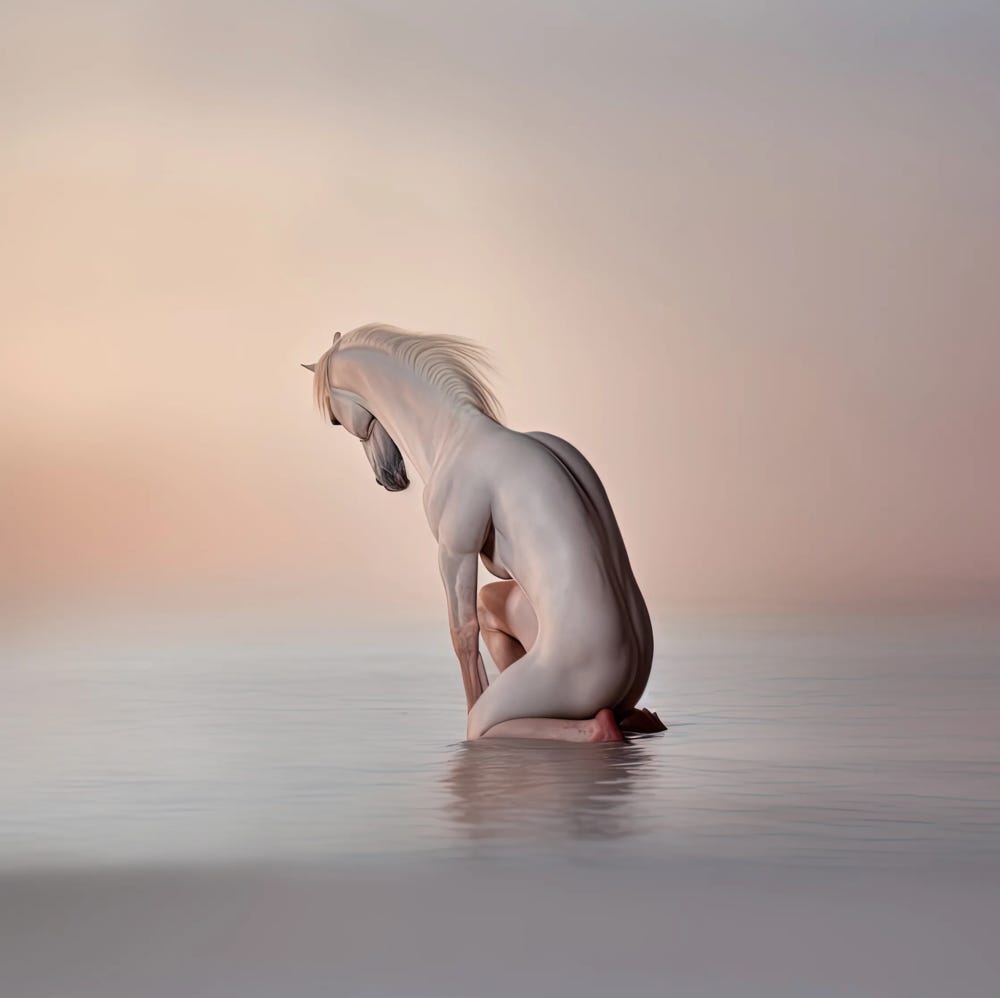
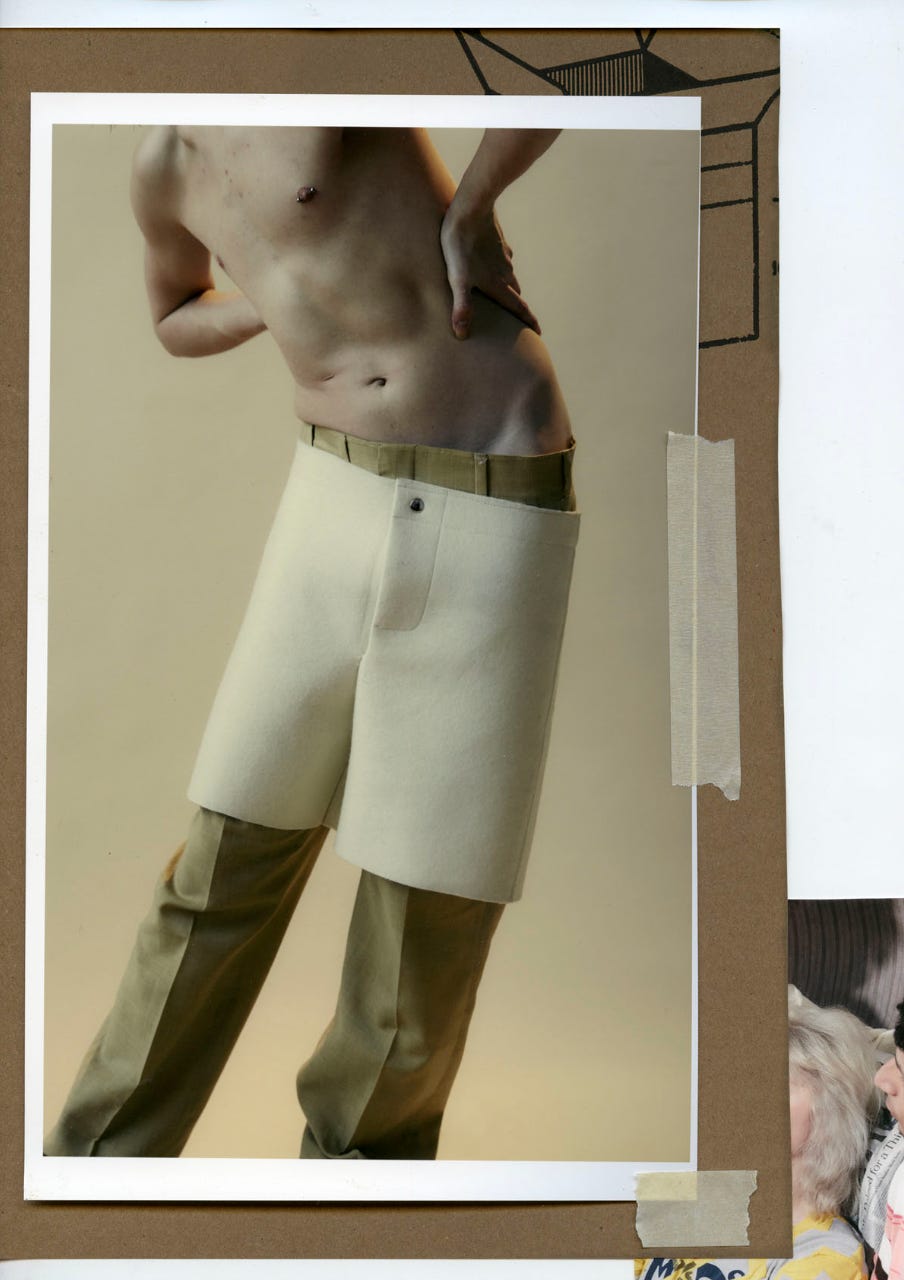
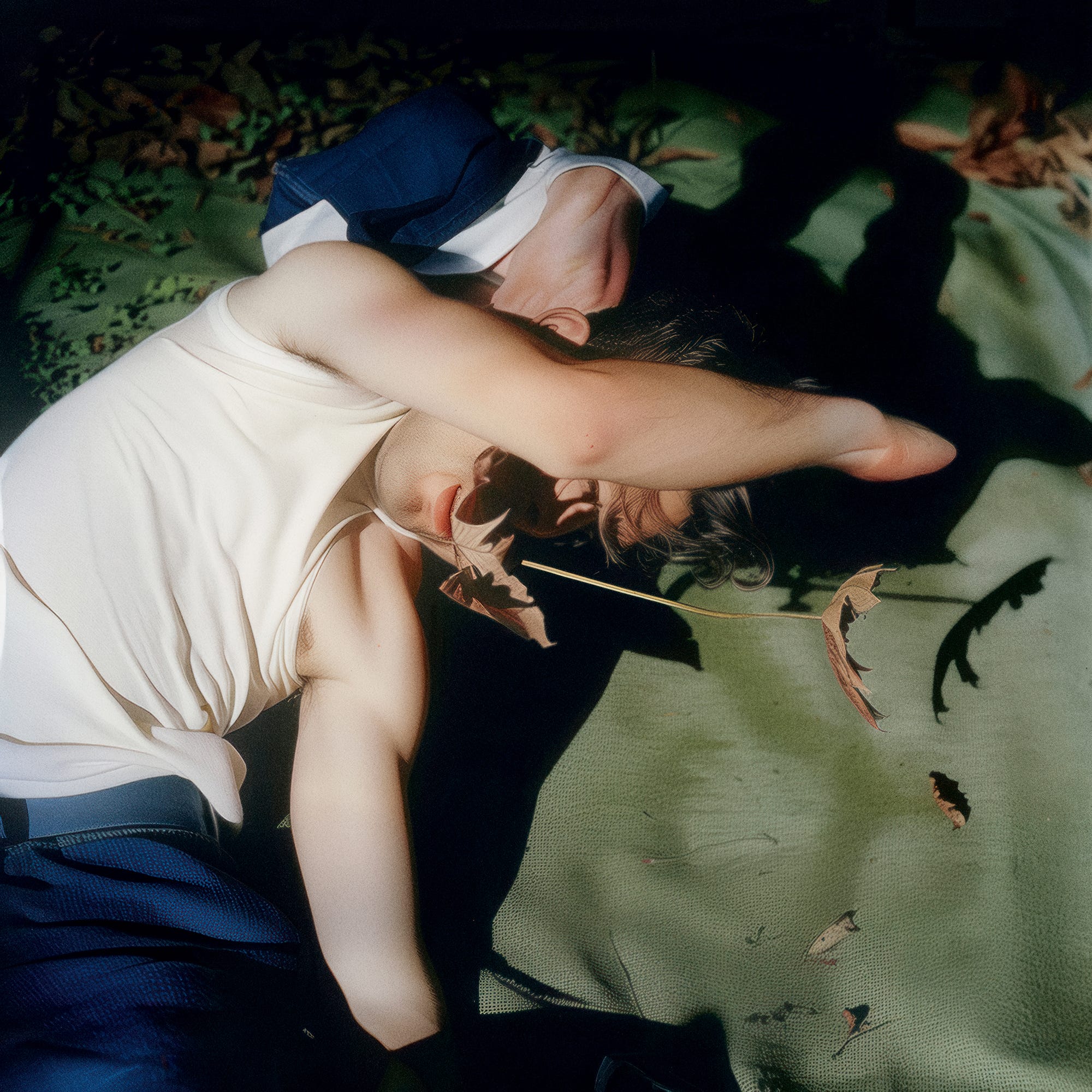
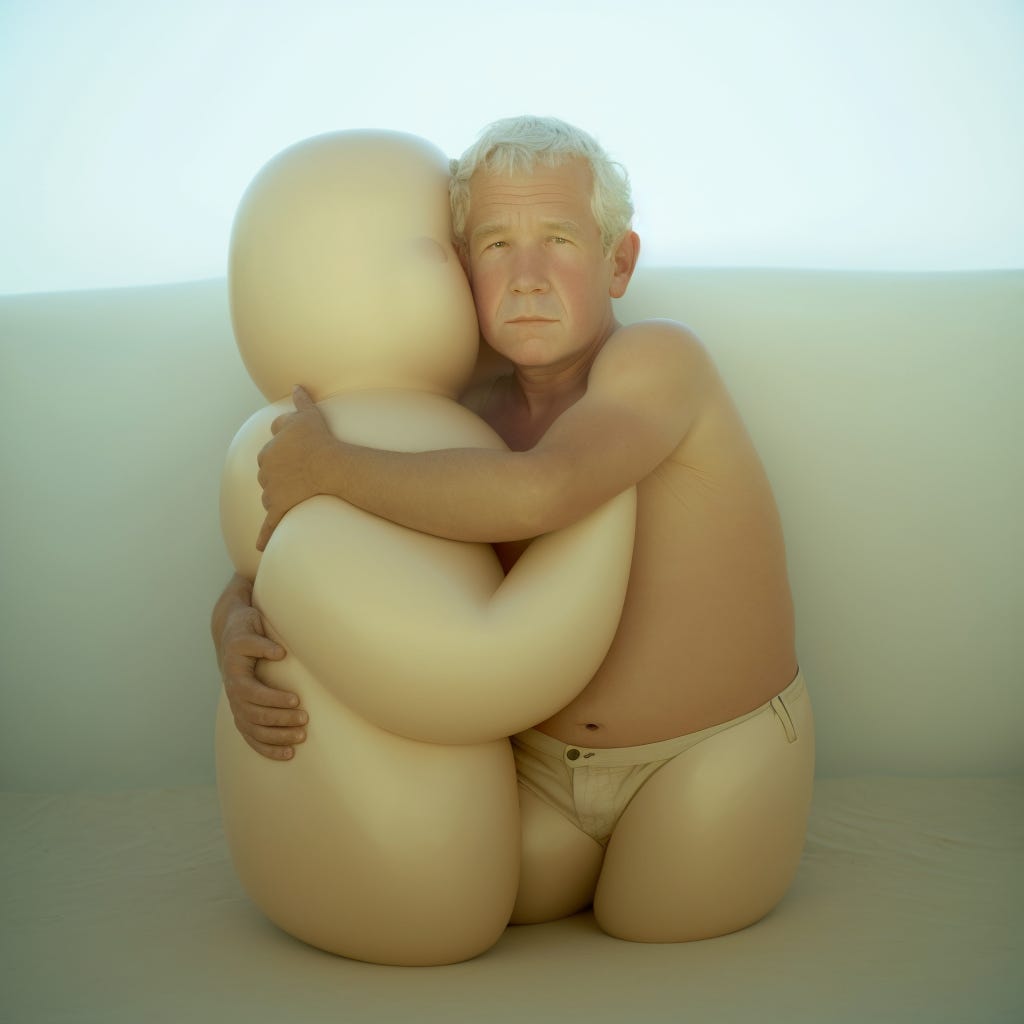
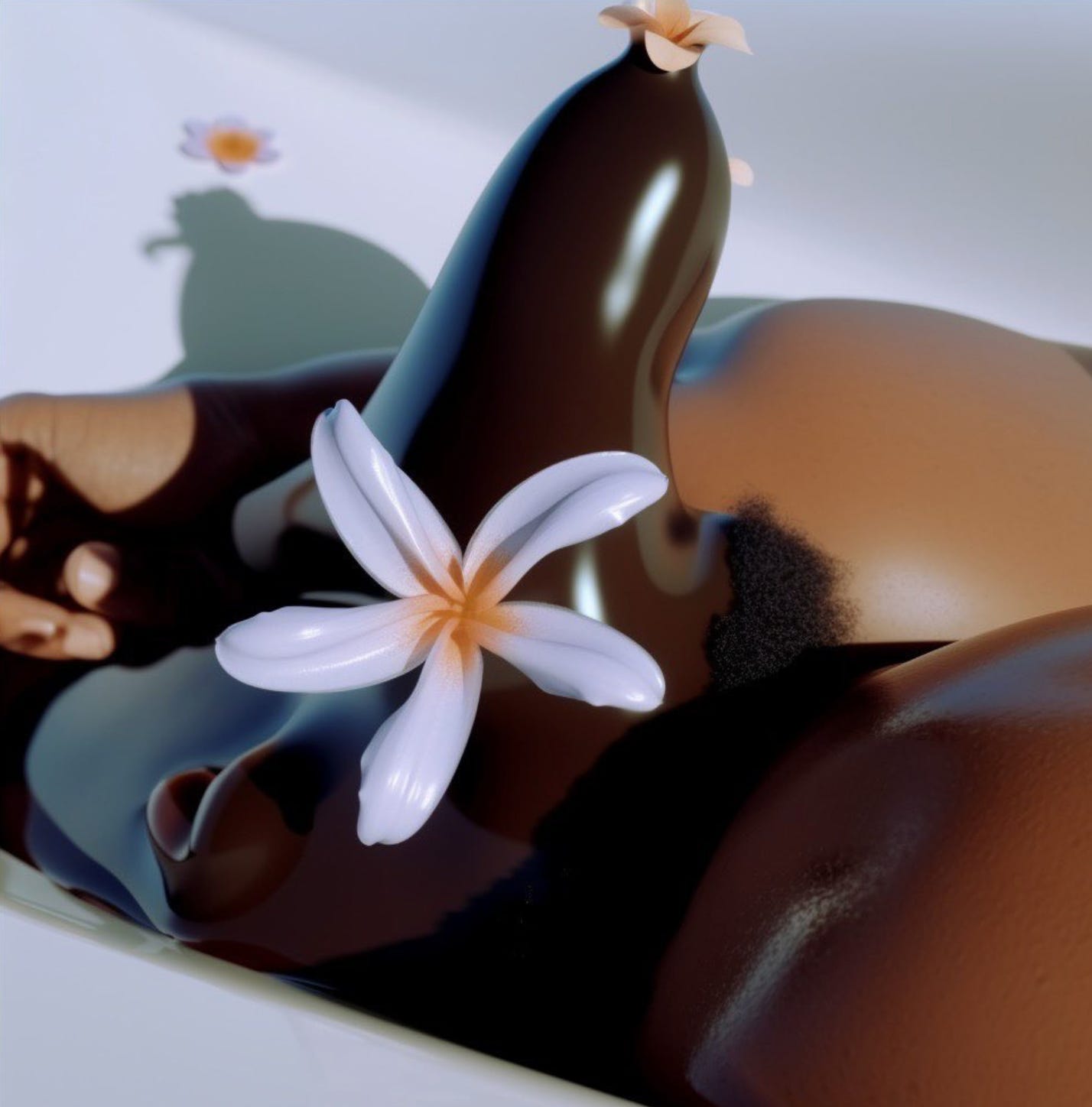
Charlie Engman is an artist and creative director whose most recent book “Cursed” was published by MACK. He is represented by SN37.
ONE PICTURE, 598 WORDS. SHAWN WALDRON ON SLIM AARONS.
George “Slim” Aarons (1916-2006) earned his reputation by making photographs of, “attractive people doing attractive things in attractive places.” Those are his words, not mine, but who am I to argue? Aarons kickstarted his career as an enlisted WWII combat photographer for Yank magazine; he returned from Europe in 1946 resolved to never spend another day face down in the mud. Instead, he set about scratching his way to a storied freelance career shooting features for titles such as Life, Holiday, and Town & Country. As the youngest child of Jewish immigrants with limited means Aarons’s rise from New York tenement to the finest resorts and homes was driven by the uniquely American midcentury ethos of reinvention and resolve. Though he worked (and worked) across every season, it was in summer that he truly shined.
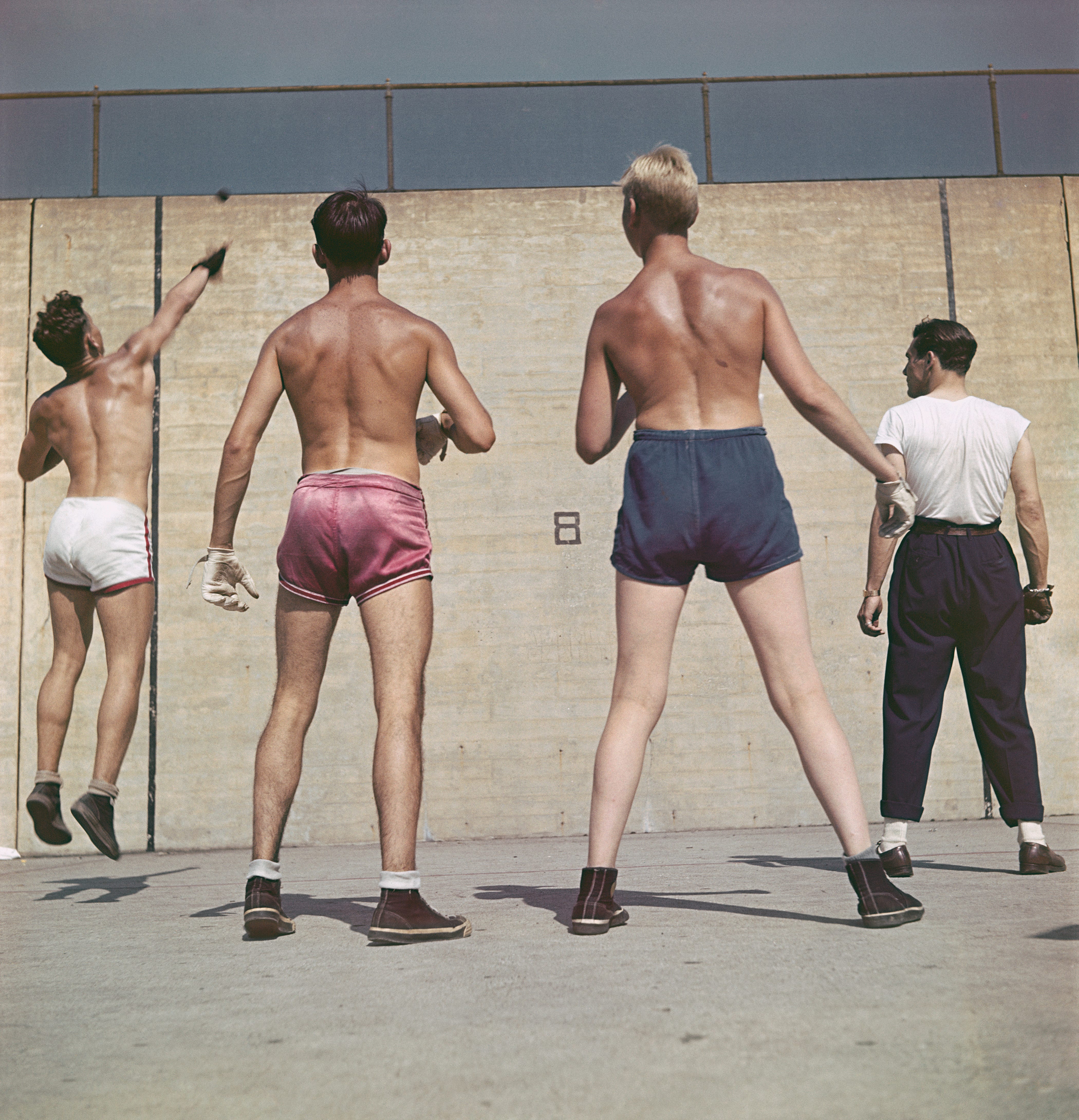
Aarons’ most celebrated pictures, such as Kings of Hollywood (1957) and Poolside Gossip (1970), were a distant dream when he made Handball in Central Park in the summer of 1948. Two years removed from the horrors of the front lines, Aarons remained ensconced in the struggles of a fledgling career. He and fellow Army veteran Bill Mauldin, who would become a two-time Pulitzer Prize-winning cartoonist, had drove to California the year prior in search of fame and fortune. They found neither. By the spring of 1948, Aarons was back in New York when Life extended an offer to help reopen its Rome bureau in the fall. He leapt at the chance to return to the same country where he had been struck by a German bomb a few years prior. The experiences awaiting him in the Eternal City would prove foundational to his career. In 1949, Aarons covered actors Tyrone Power and Linda Christian’s ‘Wedding of the Century’ in Rome (as well as an exclusive with the exiled gangster Lucky Luciano) and thus gained entry to the milieu of celebrity and high society that would occupy him for the next four decades.
In the summer of 1948, however, he was biding his time as a freelancer with a few dollars in his pocket and a welcome assignment from Holiday to illustrate an upcoming story on Central Park. With the sun shining and fresh transparency film in his Rolleiflex, Aarons pointed his twin lenses at the park’s midsummer theater: boys crouched around a heated game of marbles, chess boards balanced on park benches, dozens of joyful dancers at the band shell, young women on horseback riding along bridle paths, couples adrift in rowboats on the lake, and a pick-up game of handball near 95th Street.
I discovered the original transparency in a file drawer in 2019 and can still recall the thrill of holding it to the warehouse’s overhead lights for the first time. The color had softened with time, but the film had not yet succumbed to the dreaded magenta shift that is the archivist’s bane.
The three young players on the left, shirtless and tanned, obviously came to play in their shiny silk athletic shorts and tailor-made gloves. The fourth, with rolled cuffs, loafers, and a workman’s glove, looks to be a late addition. Had he been watching from the sidelines and called in as a replacement? It is tempting to see him as a symbol of Aarons’ own journey from outsider to player invited in to the world of 20th century leisure. The frame, a quick snap in the park, contains many of the hallmarks that would come to define Aarons’s oeuvre: dynamic framing, saturated colors, the grace of living and everyday glamour.
Shawn Waldron is a photography curator with Getty Images where he manages the Slim Aarons archive. He has published two monographs on the photographer with Abrams and another arriving in 2027. Prior to joining Getty Images, Waldron served as director of the Condé Nast Archive.
REVIEW: “ED VAN DER ELSKEN: UP CLOSE” THE RIJKSMUSEUM, AMSTERDAM.
By JEAN DYKSTRA
The Dutch photographer Ed van der Elsken added a handwritten note—a word of advice, or a warning—to the slipcover of the Japanese edition of his 1966 book “Sweet Life”: “In the hands of many young people, mostly the students of Tokyo Photographic College, Your camera is like a painter’s brush, it is like a violin, and it is like a gun.” Street photography, as practiced by van der Elsken, was seductive, transgressive, and scrappy. It took more than four years to find a publisher for this massive collection of gritty, personal and often pointed photographs taken six years earlier, during a 14-month trip through Africa, Asia, the United States, and Mexico with his then-wife, Gerda van der Veen. He’d originally intended to call it “Crazy World” but ultimately went with “Sweet Life”, based on the name of a steamer ship he photographed in the Philippines, an image that also shows a shirtless dockworker carrying a heavy crate of empty bottles on his back. The impish, eccentric Van der Elsken believed that life could be sweet, but he knew it wasn’t so for everyone, including, sometimes, himself.
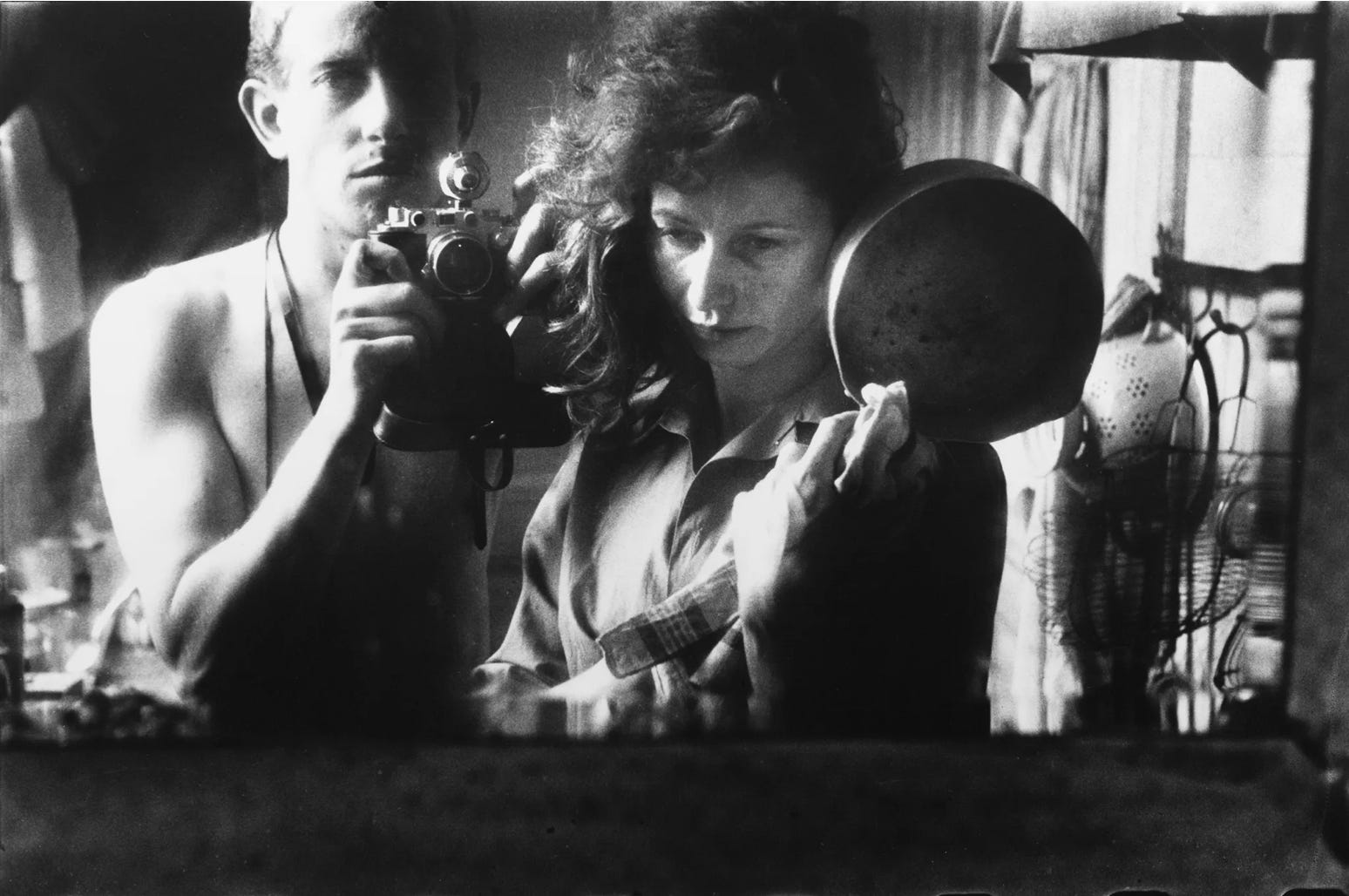
In 2019, the Rijksmuseum and the Nederlands Fotomuseum acquired Van der Elsken’s archive, including more than 8,000 prints that had been stored in his small wooden farmhouse for decades. The Rijksmuseum drew on this archive for the sprawling exhibition, Ed van der Elsken: Up Close, which includes photographs, films, book dummies, contact sheets, and notes that show, in part, how unsuited he was for a conventional career in photojournalism. The only person van der Elsken acknowledged as an influence was Weegee: on his death bed, he had his dilapidated Citroën (on view in the exhibition) painted with some of his own photographs as well as a portrait of the tabloid photographer. “Pretty young ladies in silk dresses, ministers, and boxing champions…. That’s what they want,” van der Elsken ruminated. “But I want and can do something different. Dead birds and poor people…. That’s what I make beautiful.” And he did, in a photograph of an overturned garbage can spilling its contents onto a damp, deserted city street; a woman with a little white dog peering at a man crumpled on the curb on 42nd Street in New York City; a woman in cat’s-eye glasses and a towering beehive in Amsterdam; a series of intimate photographs of Emilie Nord giving birth (years before Carmen Winant’s 2018 series My Birth); and of course, his photographs of the circle of disaffected but glamorous young people in 1950s Paris that made up his first, unclassifiable book “Love on the Left Bank” (1956).
Van der Elsken had already photographed the kohl-eyed expat Australian artist Vali Myers—who Patti Smith described as a “Beatnik gypsy mystical witch”—and her bohemian friends, when he decided to create a semi-fictional narrative about them. (Smith found “Love on the Left Bank” when she was about to board a bus from Philadelphia to New York City, and Myers embodied a life and look that Smith was seeking.) Van der Elsken cast Myers as the fictional Ann, and he photographed her and her comrades drinking and dancing in Parisian cafes, getting high, sleeping on benches in the metro station. A portrait of Myers, looking sultry in a white turtleneck sweater, arms crossed as she leans against the wall, shows the graffitied word “reve” (dream) behind her, but van der Elsken had cropped out the letter “g;” the word is actually “greve”—strike, and the photograph somehow captures both the political realities of Paris and the romance of the proto-punk outlaws with whom he felt a deep kinship.
The itinerant van der Elsken traveled widely, and as much as he identified as an outsider, he still moved through the world as a white man with a camera. In South Africa, he took a politically pointed photograph of four white women sitting on a bench labeled “European Bankes” (whites only), and a Black man walking past, a newspaper under his arm and, by a trick of the sun or the darkroom, a halo around his head. But he also photographed a woman in Ubangi-Shari in Central Africa in mourning at her child’s funeral, a photograph that reads as an invasion of privacy. He was hugely popular in Japan, a country he visited 15 times, and his portraits and street scenes, shots of packed subways, suited yakuza, and fashionable young people capture the vitality of the country and his obvious affection for it. But he also made several sequential photographs of a beautiful young woman in a traditional cheongsam, stalking her until she became clearly uncomfortable.
That same style—fearless, prodding, provocative—is what made so many of his photographs so kinetic, so full of life, and what made him a precursor to artists like Nan Goldin and Larry Clark. He photographed jazz greats like Lionel Hampton, Ella Fitzgerald, Chet Baker, and Louis Armstrong, among many others, in dark Amsterdam nightclubs, in improvisatory images taken from unorthodox angles, with off-kilter cropping, and he photographed the audiences, rapt. (Among the more than 20 books he published was the dark and moody volume “Jazz “ in 1959). His pictures plumb the improvisatory nature of both jazz and photography, and his visual rhythms and riffs embody, more than document, the music.
A film at the entrance to the exhibition shows the photographer skittering through the crowds at the cow market in Purmerend, in the north of Holland, with his camera. He ducks between the farmers and the cattle, smiling, cracking jokes, making small talk, teasing, and taking pictures all the while. He’s always moving, always shooting, charming his way through the crowd. The film was a smart curatorial choice, providing a palpable sense of van der Elsken’s restless, slightly manic energy. It set the stage for the photographs that followed: by turns intimate, tender, needling, provocative, and wildly original.
Jean Dykstra is an editor and critic and has contributed recently to the New York Review of Books, Dear Dave, magazine and The Brooklyn Rail. The recipient of an Andy Warhol Foundation Arts Writers Grant, she was the editor of photograph magazine from 2013-2024. She writes The Photosphere, a Substack about photography.
WELCOME BACK FROM SUMMER! THANKS FOR READING— SUBSCRIBE NOW AND SEE YOU AGAIN NEXT WEEKEND.
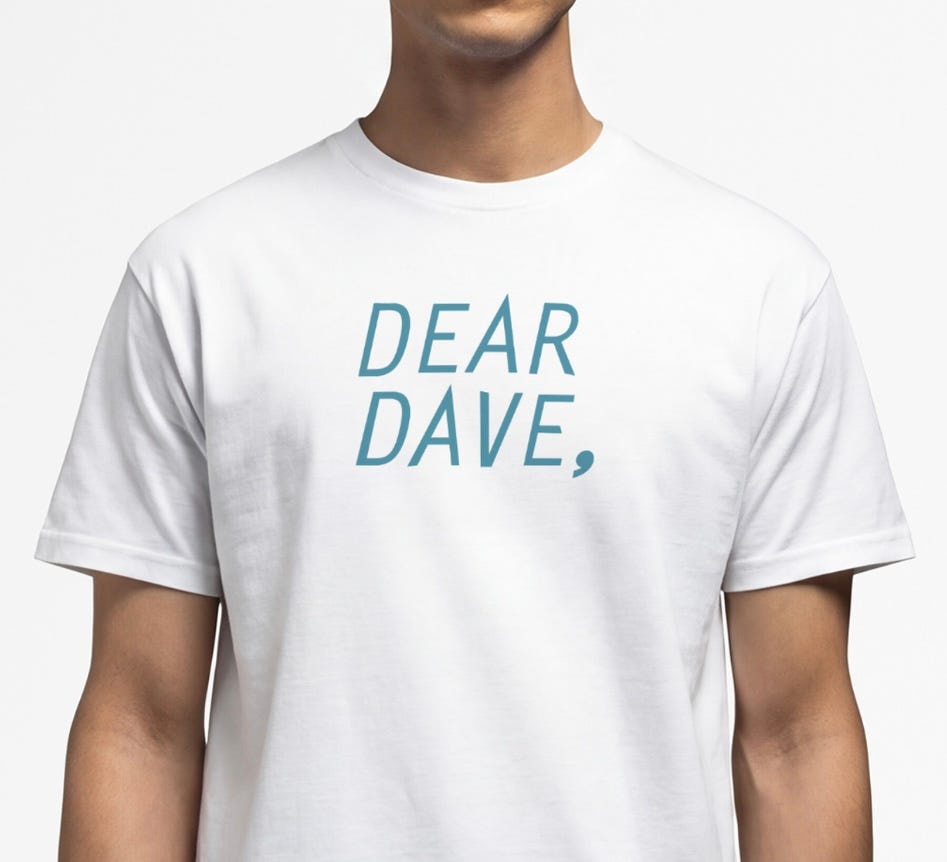
(AND IF YOU SWITCH FROM A FREE TO PAID SUBSCRIPTION AN EXCLUSIVE AND SAVVY DEAR DAVE, T-SHIRT IS YOUR GIFT FROM US)